

Learn about how Orbis is treating cases of strabismus globally and how it can change lives.

Strabismus: Causes, Symptoms & Treatment
Strabismus is a common condition that causes the eyes to look in different directions when focusing. It usually presents itself in early childhood, but can also occur later on in life. If not detected and treated early, it can have a detrimental and permanent effect on vision - potentially leading to blindness.
AUTHORED BY DR. RUDOLPH WAGNER M.D.
Volunteer Faculty member and pediatric specialist, Dr. Rudy Wagner, is Clinical Professor of Ophthalmology & Visual Sciences at Rutgers State, University of New Jersey Medical School. He specializes in pediatric ophthalmology, pediatric intraocular surgery, neonatal ophthalmology and strabismus

What Is Strabismus?
Movement of the eyes is controlled by six muscles attached to each eye. These muscles allow the eyes to move in all directions. Both eyes should always move together so that even though we have two eyes, we see one thing at a time.
If one of the muscles is weak, the eye cannot move properly and the two eyes cannot move together - resulting in strabismus or crossed eyes. The condition can occur in one eye or both eyes and often occurs before the age of three years.
It can be present all the time, or just sometimes, especially when a child is tired. It can also be a symptom of other eye problems, such as retinopathy of prematurity or congenital cataract.
If not treated in time, the weaker eye will not develop good vision and become a ‘lazy eye’. This is called amblyopia. Over time, the brain will learn to ignore the image from the weaker eye which can lead to legal blindness.

A child with strabismus is examined by an Orbis Volunteer Faculty surgeon in Ethiopia
Strabismus and Social Stigma
Children with crossed eyes often develop poor self-image and may have emotional problems. Our research has shown that children with uncorrected strabismus are more likely to have depression and anxiety due to social and educational disruptions.
Below, hear Maiyan’s story and how Orbis and our partners saved her sight and the threat of bullying at school.

Focus on Sight video: Learn about strabismus
Causes of Strabismus
Most often, the causes of strabismus are idiopathic meaning there is no known cause.
However, crossed eyes can develop with other refractive errors, where there are difficulties with the focusing power of the eye as well as conditions such as cataracts, retinopathy of prematurity and optic nerve conditions.
Other risk factors of strabismus include:
- Family history
- Prematurity
- Low birth weight
- Cerebral Palsy
- Down’s syndrome
- Brown’s syndrome
- Duane’s retraction syndrome
- Eye injury
Symptoms of Strabismus
Signs and symptoms of strabismus include:
- Inward (esotropia - crossed eyes)
- Outward (exotropia - wall-eyed)
- Upward (hypertropia)
- Downward (hypotropia)
- Squinting or closing one eye in bright sunlight
- Double/blurred vision
- Tilting or turning the head to look at an object
- Bumping into objects due to poor vision
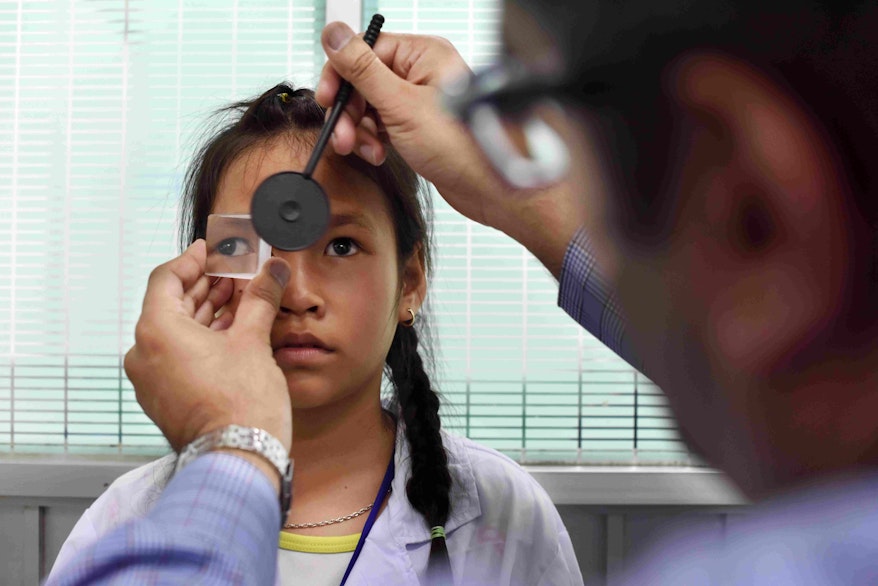
A young girl is examined for strabismus during a screening day in Vietnam
Treatment of Strabismus
Treatment for strabismus should begin as soon as possible. The younger the child is when diagnosed and treatment starts, the better the chances are of correcting crossed eyes.
Follow-up examinations once treatment begins are vital to ensure the eyes stay aligned. Once the type of squint is diagnosed, the following steps can be taken to help improve the level of vision.
Occlusion Therapy (patching) and Eye Drops
In very mild cases of squint, occlusion therapy (patching of the good eye) may help build up the pathway between the lazy eye and the brain - giving the weaker eye a chance to catch up. The patch can be worn for a few hours of the day or for the whole day.
Atropine eye drops which blur vision in the good eye work in the same way to strengthen vision in the lazy eye.
Eyeglasses
Spectacles to straighten the eyes may be prescribed in mild cases of strabismus.
Vision Therapy
Vision Therapy (eye exercises) can also be used to treat certain kinds of strabismus.
Eye surgery
If the other treatments aren't successful, a simple surgery to correct strabismus involves repositioning the eye muscles to realign the eyes and restore normal vision. The surgery requires general anesthesia and stitches are used to attach the muscles in their new positions.
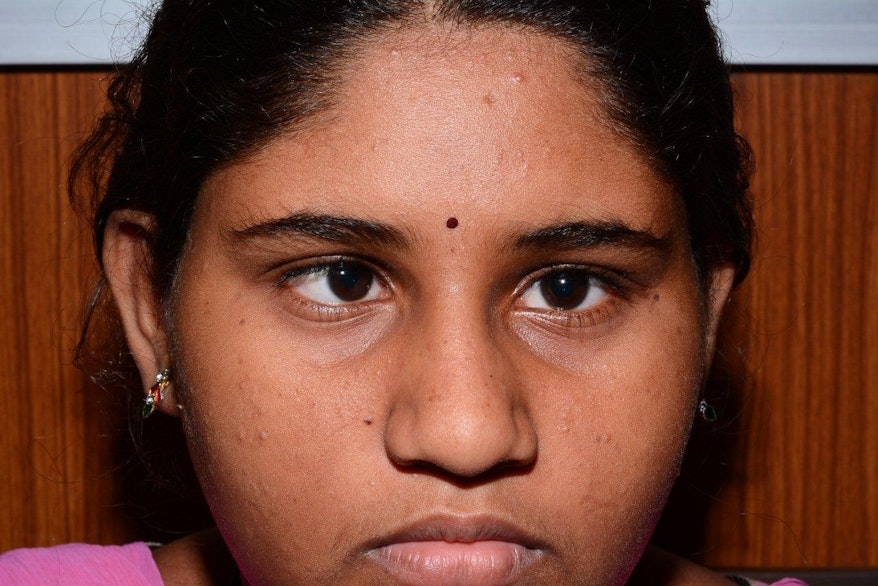
Before: an Orbis patient is pictured with her eye turning inward ahead of surgery to correct strabismus
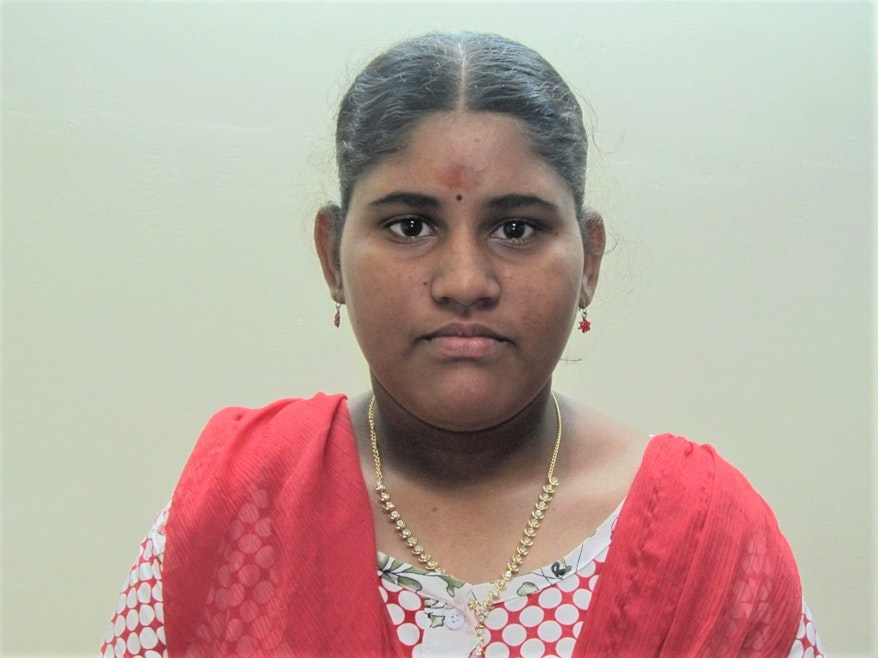
After: the Orbis patient is pictured with straighter eyes following strabismus surgery
How Orbis Is Tackling Strabismus
In many remote communities around the world, infants and children remain visually impaired or blind from strabismus due to a lack of access to quality eye care services.
Coupled with this, government insurance in some places does not cover highly-effective medical and surgical treatments for strabismus, classifying it erroneously as a cosmetic condition.

Orbis volunteers and partners performing surgery on a child with strabismus
This is where we step in. A large focus of our work has been treating cases of childhood blindness and our programs around the world have not only treated thousands of children, but have also successfully changed government policies to improve insurance outcomes so infants and children with crossed eyes can get the eye care they deserve.
By using our amazing network of partners, supporters, staff and world-leading volunteers, we empower local communities with the skills and resources necessary to fight blindness caused by squint on their own.
Below, read stories about some of the children we've been able to help thanks to the incredible support of our wonderful partners and donors.


At Orbis, we're implementing a comprehensive approach to fighting blindness caused by the condition:
Training: We train local partners on our Flying Eye Hospital, in local hospitals and via Cybersight. This way we can strengthen skills and knowledge for local eye teams over all over the world for generations to come.
Technology: We're running e-learning courses on Cybersight which improve knowledge and education as well as offering training and support to eye teams around the world using the latest advancements in internet and mobile technologies.

With your continued support, we can keep on improving outcomes for children with strabismus
Strengthening: By working with partners across the health service to establish and strengthen existing care we help provide long-term, sustainable eye care to communities around the world. From rural areas to bustling cities, we aim to provide the tools and knowledge to help restore vision for generations to come.
Community: We want to make sure everyone has access to quality eye care, no matter where they live. This is why we work at a community level, training and educating parents, teachers and pupils about the signs and symptoms of strabismus.
Donate today
Can you help us fight blindness caused by strabismus in communities across the world?
