


Double Your Gift Today
Sustainable, accessible eye care
In honor of Earth Day, a generous donor is MATCHING all donations that go toward funding our Women-led Green Vision Centers, up to $10,000 — but ONLY through the end of the month. That means you have the chance to have your gift go TWICE as far directly toward building more green vision centers in the communities that need them.

Tech and Innovation


Changing the Way the World Sees®
Our Vision & Mission
We build strong and sustainable eye care systems that put treatment and prevention within reach for all. We believe in a world where everyone can access the eye care they need to thrive.
In Focus

Begin Your Journey Today
Timeline: Celebrating 40 Years of Innovation
Thanks to generous people like you, Orbis has been fighting avoidable blindness around the world for 40 years. As our network of local partners, world-class volunteers and supporters has grown, so has our impact. Scroll or click through the timeline to find out more about the amazing legacy that you helped build.

Eye News


Your Impact In 2022
30,000+
trainings completed by eye care professionals and community health workers.
63 projects
in 11 countries.

2.5 million+
eye screenings and examinations.
Read all the latest from Team Orbis
News & storiesDonate
Help fight vision loss today
Eye in the Sky
Flying Eye Hospital
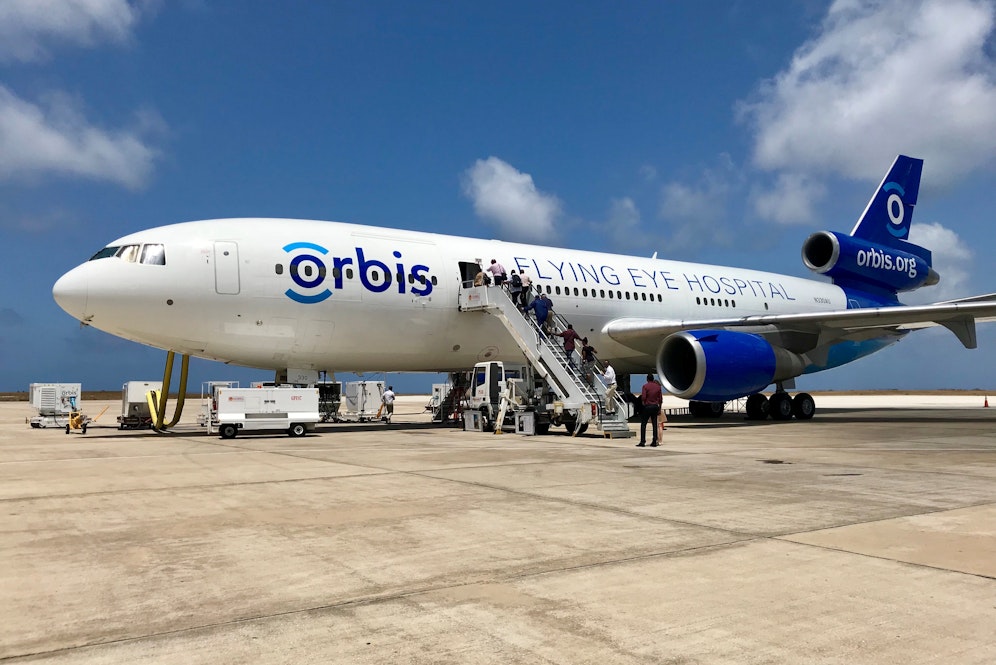
The Orbis Flying Eye Hospital is a state-of-the-art teaching facility complete with operating room, classroom and recovery room—this amazing aircraft has been an example of the marriage between medicine and aviation since 1982.
Volunteer Faculty
Heroes of Orbis
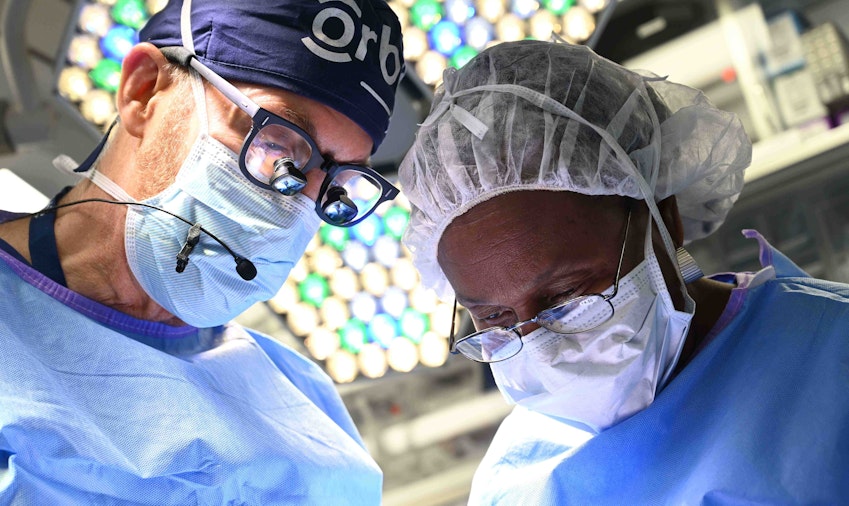
Our world-renowned Volunteer Faculty are the heartbeat of our training programs, both on the Flying Eye Hospital and in partner hospitals around the world. For 40 years the keystone of our work has been to teach and train eye teams to fight blindness on their own - we couldn't do it without their hard work and dedication.

What We Do
Sustainable approach
Training is at the very heart of everything we do. With your support and the help of our world-leading Volunteer Faculty, we provide training to all types of healthcare workers—from doctors and nurses in regional hospitals to district leaders and teachers in remote areas. Oh and we have a Flying Eye Hospital too!
